By Carole Therrien
Carole completed her Ph.D. in Anthropology at Carleton University in Ottawa, Canada, in December 2025. Her thesis examines the role of middle-class women on the Caribbean island of St. Martin as it recovered from 2017’s Hurricane Irma and the COVID-19 pandemic. Carole is an emerging scholar in the field of crisis dynamics and change management.
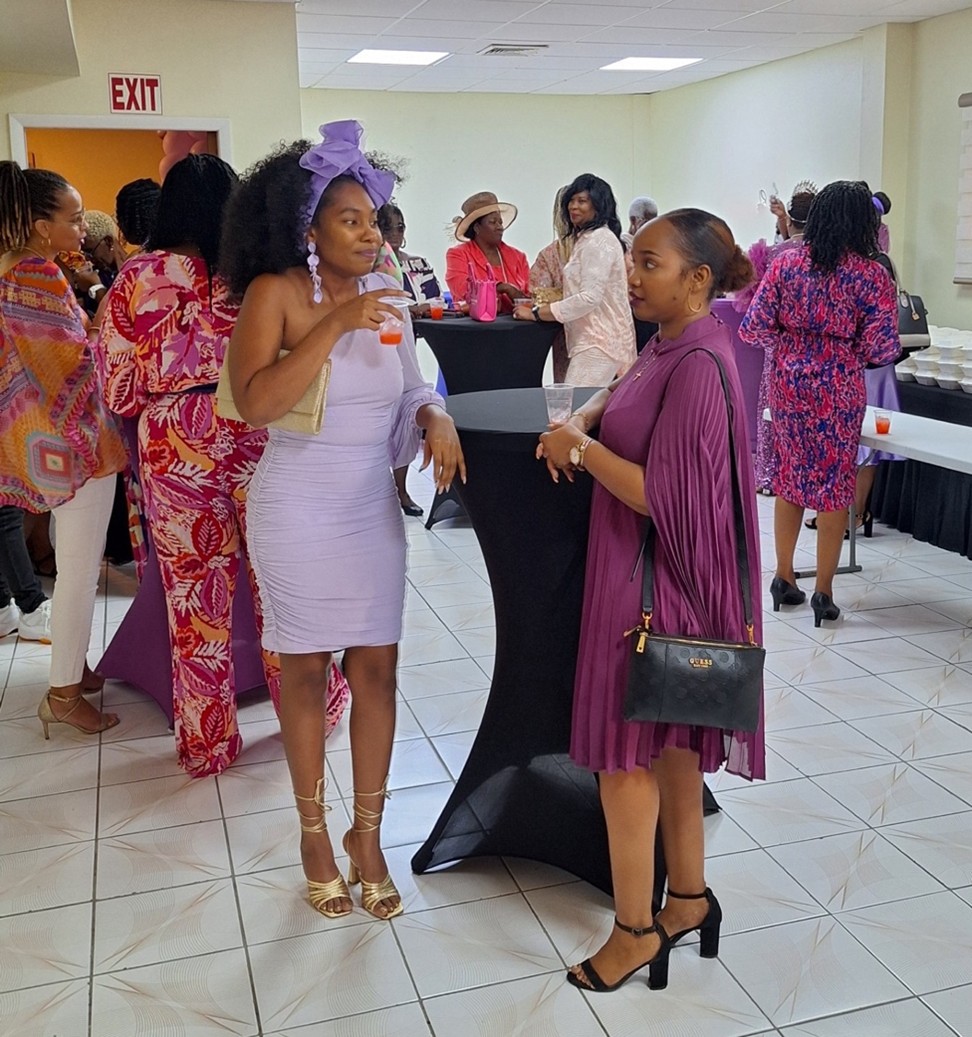
Photo 1: Women gathering at a Women’s Celebration Gala, March 2024, Cole Bay, Sint Maarten.
Over the three years, which included eleven months in the field itself, of my research project, I interviewed, interacted, observed and participated in the activities of over 120 women and in close collaboration with two local women’s groups. It served to better understand the daily lives and values of middle-class women in St. Martin. In addition to primary data, my research work was supplemented with extensive secondary data and anthropological and political economy theory.
I determined that a faith-based imperative and civic duty resulting from middle-class women’s class identity resulted in the construction of relationships that strengthen social capital and cohesion for themselves and the working and impoverished classes. This cohesion helps stabilize their respective island communities at times of crises and mitigates the impacts of both literal and figurative storms, particularly in this period of climate change.
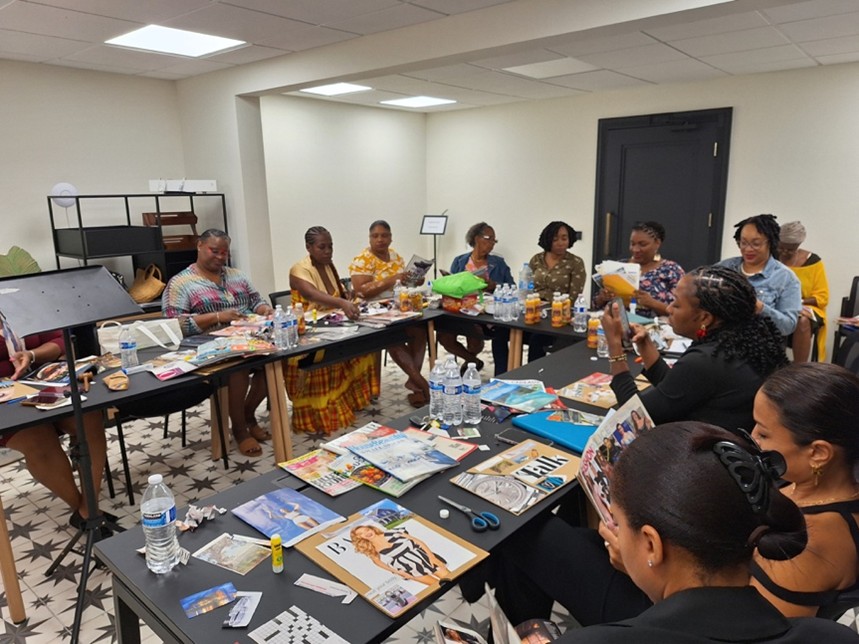
Photo 2: Women at Vision Exercise, BPW Meeting, April 2024, Marigot, St. Martin.
This behaviour offers insight for communities around the world that face the ongoing impacts of multi-disasters. It also reflects how smaller island communities that remain under colonial administrations feel that humanitarian aid from Western external sources remain ill-equipped to handle the cultural and social intricacies of communities living in perpetual or multiple-crises environments. The importance of social capital, building relationships of mutual interdependence, and the distancing from other-culture emergency aid organizations point to an element of profound institutional distrust.
The distrust in institutions is not new in the lens of St. Martin’s historicity. Communities in the Caribbean with plantation oppressions of the past are quick to turn away from Western international organizations engaged in the delivery of emergency aid, preferring to rely on the help of neighbours, faith communities, and locally based charitable organizations. It is a continuation of the self-preservation required of their ancestors during the slave trade and plantation labour. A failure to acknowledge historical and contemporary elements such as past and modern forms of coloniality compels the need for international humanitarian aid organizations to re-think their approaches, their presence, and its “helicopter approach” in places where the past remains an intrinsic influence to the present.
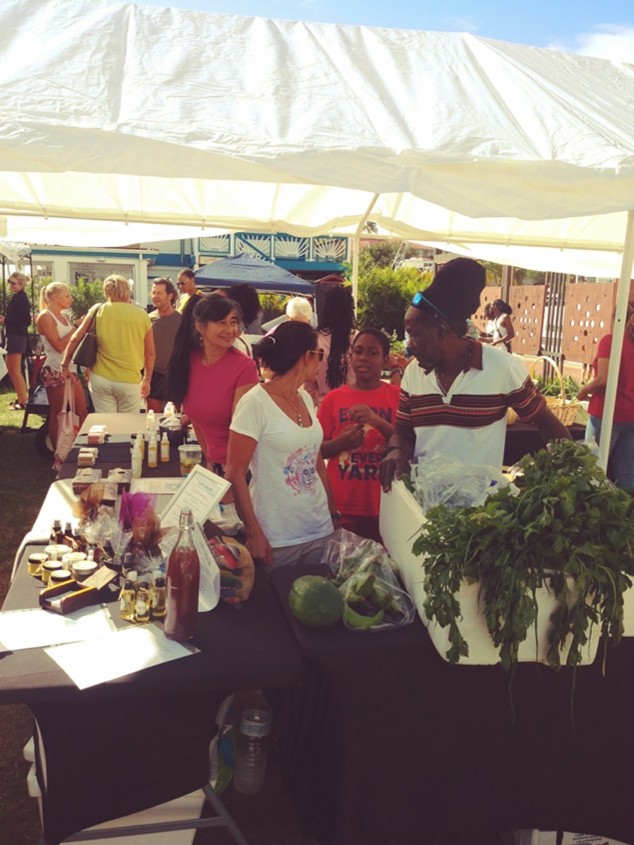
Photo 3: Women at the farmer’s market as sellers and buyers, February 2023, Cole Bay, Sint Maarten
Within the broader discipline of disaster studies and cultural recovery, it reinforces that effective community-based approaches are intrinsic to successful recovery in high-risk areas. It adds to the increasing work undertaken by Caribbean and small-island studies scholars that point to the primacy of agency in disaster recovery and the nuances and complexity of social capital in disaster-affected communities in the region. The role of women in disaster recovery in the short-term is already well-documented. This uniqueness of this research, however, points to the cultural, political and economic roles that middle-class women have in the longer-term social reconstruction of communities battered in multiple and cascading disaster settings. It is a declaration of Caribbean womanhood as an active, if not well recognized, vehicle for social and cultural transformation and restoration.
Carole’s dissertation is available on-line through Carleton’s MacOdrum Library as of March 2026 (https://library.carleton.ca), and she can be reached at carole.therrien@cmail.carleton.ca and CaroleTherrien (LinkedIn). Carole has presented extensively at national and international conferences, is an author and reviewer for academic journals, and is a board member of the Canadian Anthropology Society.


Leave a Reply